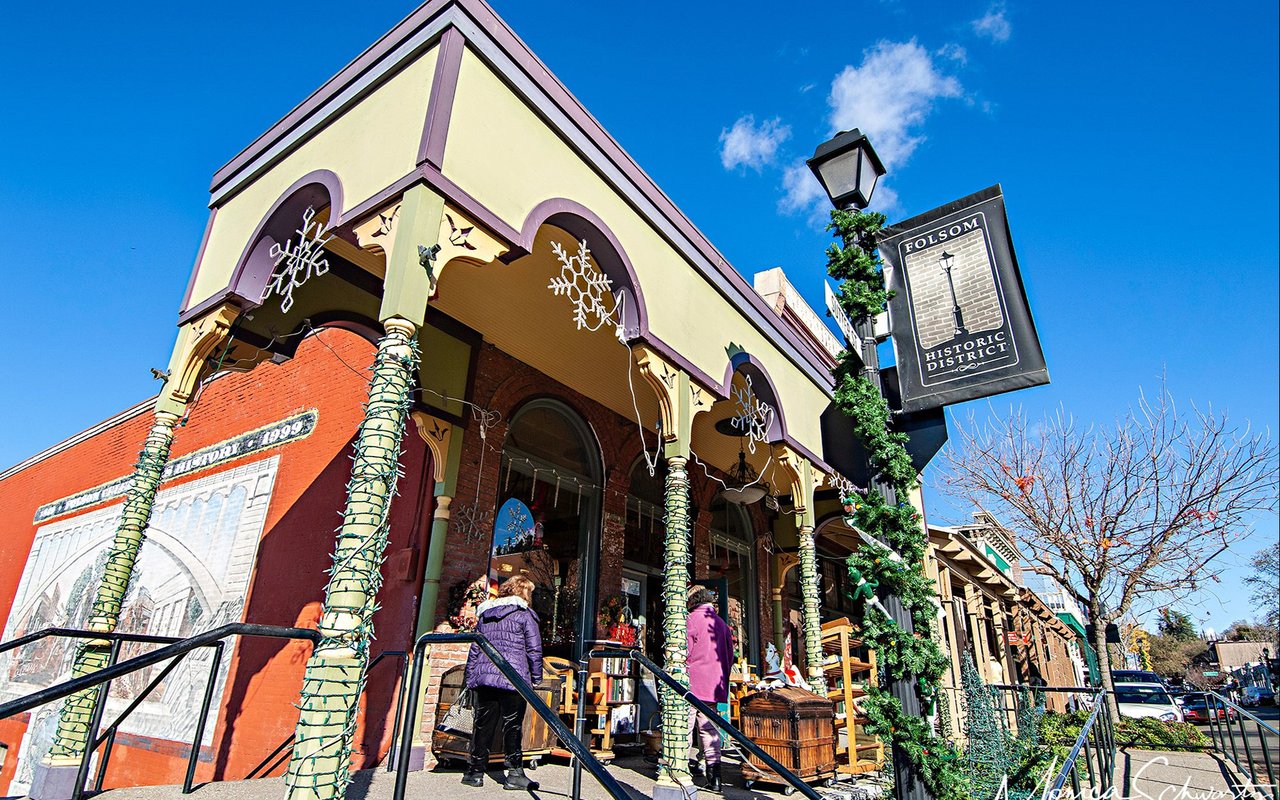
Tomorrow evening, Sutter Street closes to cars and fills with tiki shirts and DJ sets for Passport to Paradise, the Historic Folsom District's tropical-themed shopping night. The night after that, Zittel Family Amphitheater hosts the Rotary Fall Concert Series with Brisco County, and residents will do what they always do this time of year: bring a lawn chair, grab dinner from wherever smells best, and stay past dark. Anyone who has lived in Folsom more than a couple of falls has seen some version of this exact evening before.
That sameness is the point, and also the misdirection. Sutter Street looks like it always has this year. Almost nothing running underneath it does.
The market that split into two
For more than 13 years, one organization ran Folsom's Saturday morning farmers market in the historic plaza at 915 Sutter Street. That changed this June. The Folsom Historic District Association announced that management would transition to Sierra Oak Farms, LLC, led by local farmer Corbett Schnatmeyer, with the first market under new ownership held June 13 without any interruption to the weekly routine.
What happened next is the part most Saturday shoppers never saw coming. The outgoing operator, Living Smart Farmers Markets, didn't fold. It opened a competing Saturday farmers market four miles away, in the parking lot behind Nordstrom Rack at the Palladio, on the same day of the week and nearly the same hours. Two Saturday markets, same town, same morning, born out of a leadership change rather than a growing population needing more options.
The backstory explains the timing. California requires certified farmers markets to be run by a certified producer, a government agency, or a nonprofit, and Living Smart's nonprofit status had been suspended by the state Franchise Tax Board since October 2024. When the historic district's board reviewed operator proposals, it found Sierra Oak Farms the better fit for its vision and made the switch. Two days after Living Smart's new Palladio market opened, its operators filed paperwork for a newly incorporated nonprofit under a slightly different name.
The most telling detail in the whole split isn't the paperwork. It's Allan D'Annea, the former market manager who had worked under Living Smart in the historic district, choosing to stay with the plaza and the new operator rather than follow the old one across town.
The vendors who had a real choice picked the corner of Sutter Street they already knew, not the operator they'd worked with for years.
That's worth sitting with if you've ever wondered why a weekly market matters to a neighborhood's identity. The ritual is bigger than whoever happens to be running the folding tables that week.
The building nobody walking past will notice yet
While shoppers were sorting out which Saturday market to trust, the Folsom City Council approved something on September 8 that most people on Sutter Street haven't clocked at all. It's a six-unit apartment project called Sutter Lofts, planned for the rear of two existing properties at 807 and 809 Sutter Street, tucked about 75 feet back from the sidewalk.
You won't see it from the street for a while yet. The council's vote only cleared the design review and density bonus entitlements. Geotechnical reports, engineering plans, and permits still have to clear before anyone breaks ground.
The mechanics of the approval say something about how Historic Folsom is actually growing. The property's base zoning allows four residential units. The developer qualified for a 50% density bonus under state law, which added two more units for six total, in exchange for deed-restricting one unit for low-income occupancy for 55 years. The finished density works out to roughly 46.2 dwelling units per acre, well above the base range of 20 to 30 units per acre the Historic Folsom Mixed-Use designation normally allows.
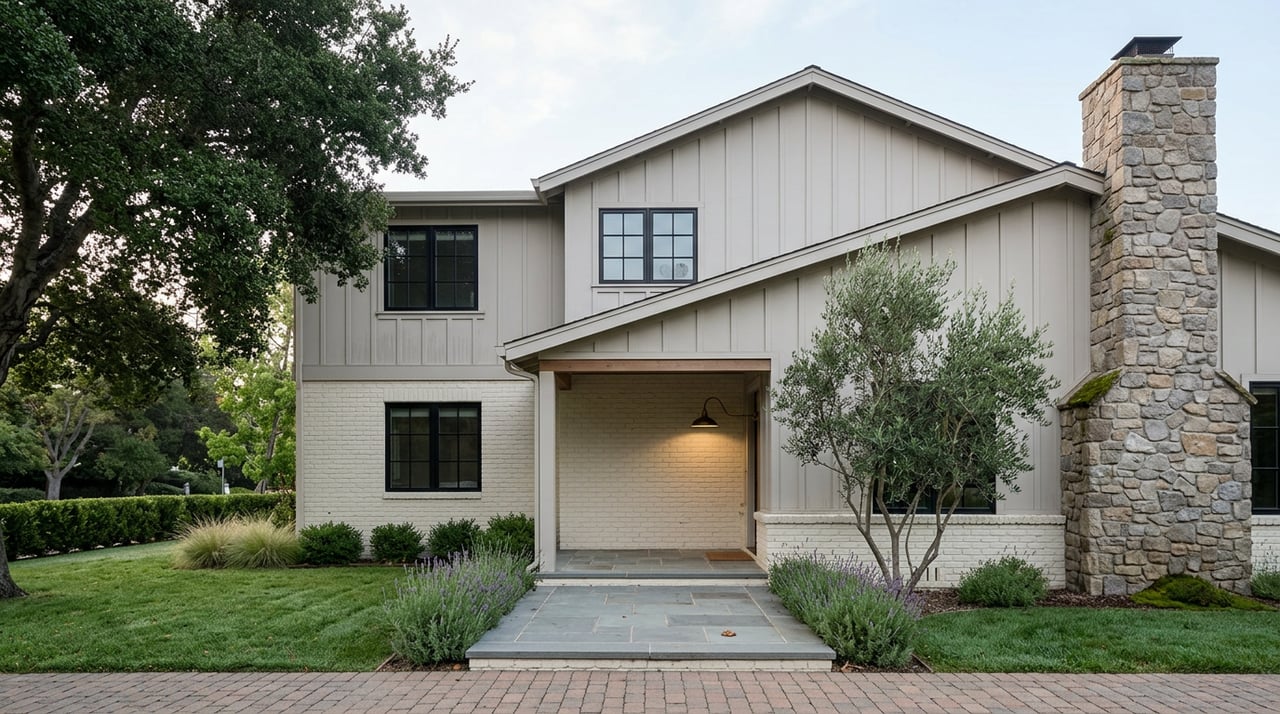
City staff didn't wave this through without comparison. The design review measured Sutter Lofts against existing neighbors like Whiskey Row Lofts, the Roundhouse building, and Sutter Court, and the approved plans call for a brick veneer front facing Sutter Street, board-and-batten siding on the sides and rear, black wrought-iron balcony railings, French double doors, and gooseneck lighting to match. The district's rule for new construction has never been "build whatever pencils." It's "build whatever pencils and still looks like it belongs here."
What's actually turned over at street level
None of this shows up if you're just walking Sutter Street for dinner, and that's because the storefronts themselves have been busy in a different, more visible way. The last two years brought a real run of new openings along the block: Fourscore Coffee took a spot near Sutter Street Steak House, Fat Elephant Records set up shop on Riley Street for vinyl and CDs, Bella Maci opened an Italian-inspired kitchen at 807 Sutter, and Ben & Jerry's, Uncle Charlie's Firehouse and Brew, and Yager Lodge each claimed a piece of the district around the same stretch of time. More recently, Fiorifolsom joined the block as the newest Italian addition, alongside Plank Folsom's craft kitchen and bar.
That's a lot of turnover for a district whose exterior hasn't changed shape in a hundred and seventy years. It's also consistent with what's happening below the surface elsewhere on the same block. New operators. New tenants. New six-unit buildings entitled but invisible. The storefronts and the market plaza are both proof that Historic Folsom absorbs change constantly without ever looking like it does.
The calendar hasn't blinked
Here's what hasn't moved an inch: the events that give the district its rhythm keep landing on schedule, regardless of who's running the market stalls or what's being built behind the bakery.
- Passport to Paradise, the tropical shopping night, runs September 10 from 4 to 8 p.m.
- The Rotary Fall Concert Series returns September 11 at Zittel Family Amphitheater with Brisco County, free and open to the public.
- Pawtoberfest, a dog-friendly fundraiser for Hearts 4 Heroes USA, brings a costume contest and vendor booths back to the amphitheater later this fall.
- Spirits, Brews & Bites, the district's "trick-or-treating for adults," returns for its annual run through Halloween season.
- The Historic Folsom Farmers Market continues every Saturday morning in the plaza, as it has for over a decade, regardless of who's managing the booths this particular year.
None of that calendar required the market split or the Sutter Lofts approval to happen. It would have happened anyway. That's the actual argument here: the district's public face is protected by design review, community tradition, and a packed events calendar that doesn't care who owns what. The economics running it, who manages the market, who owns the storefront, what gets built quietly behind it, are far more fluid than the postcard suggests.
Why this is worth knowing if you already live here
If you've walked Sutter Street a hundred times and it still looks the same to you, you're not missing anything. It is the same, on purpose, by design review policy as much as by nostalgia. What's changed is who's behind the counter, who's managing Saturday mornings, and what's rising quietly 75 feet off the sidewalk.
That distinction matters for anyone who cares about this neighborhood's next chapter, not because it changes what you'll do this weekend, but because it explains why Folsom keeps feeling familiar even as it keeps getting busier. The Folsom neighborhood that shows up in postcards and the Folsom that's actually running week to week are two different stories, and only one of them is easy to see from the sidewalk.
If you're curious how a specific pocket of Folsom, or a specific project like Sutter Lofts, might eventually affect what's around you, Allison R Billings keeps closer tabs on this stuff than most. Let's Talk Your Goals.