If you want a Sacramento neighborhood that feels established, connected, and easy to enjoy day to day, East Sacramento often makes the shortlist. You may be looking for classic homes, nearby parks, local dining, or a location that keeps you close to the center of the city without feeling rushed. This guide will help you understand what living in East Sacramento is really like, from housing and outdoor spaces to shopping, community life, and who the area tends to fit best. Let’s dive in.
East Sacramento at a Glance
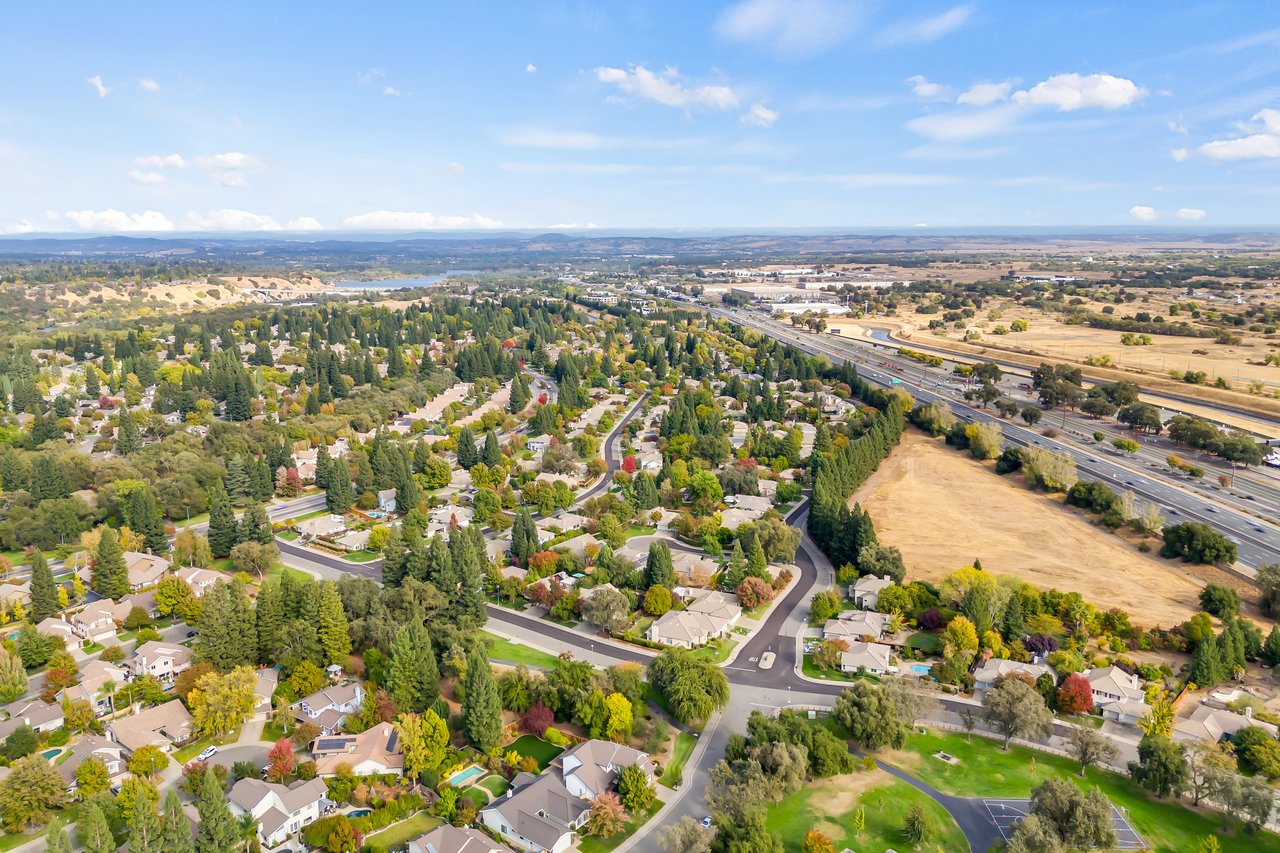
East Sacramento sits just east of Midtown and is widely known for tree-lined streets, classic homes, and a relaxed residential feel. It also offers convenient access to McKinley Park, Sacramento State, and the American River bike and walking trails.
You will also notice that “East Sacramento” can mean slightly different things depending on who is describing it. The city’s East Sacramento Community Plan area includes East Sacramento, College/Glen, the Sacramento State campus area, and River Park, while neighborhood groups may use somewhat different boundaries.
That broader context matters if you are home shopping or relocating. When people say they live in East Sac, they may be referring to the traditional core neighborhood or a nearby area that shares a similar location and lifestyle.
The Feel of Daily Life
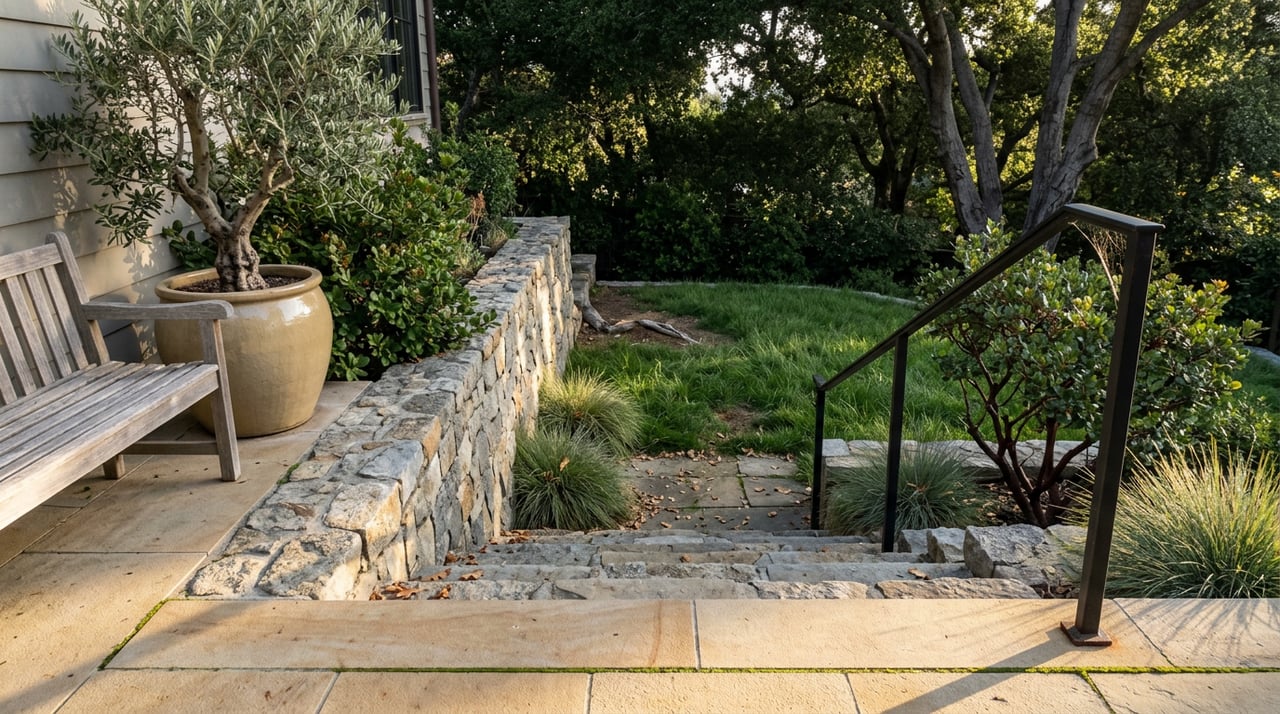
One of the biggest draws of East Sacramento is how established it feels. Its roots go back to streetcar-era development in the 1890s, and that long history still shows up in the neighborhood’s layout, mature trees, and older homes.
The city describes the area as a connected group of stable residential neighborhoods. In practical terms, that often means you get a lived-in, well-rooted atmosphere rather than the feel of a brand-new master-planned area.
For many buyers, that is exactly the appeal. You can enjoy a neighborhood with character while still being close to major city amenities, commuting routes, and everyday errands.
Homes in East Sacramento
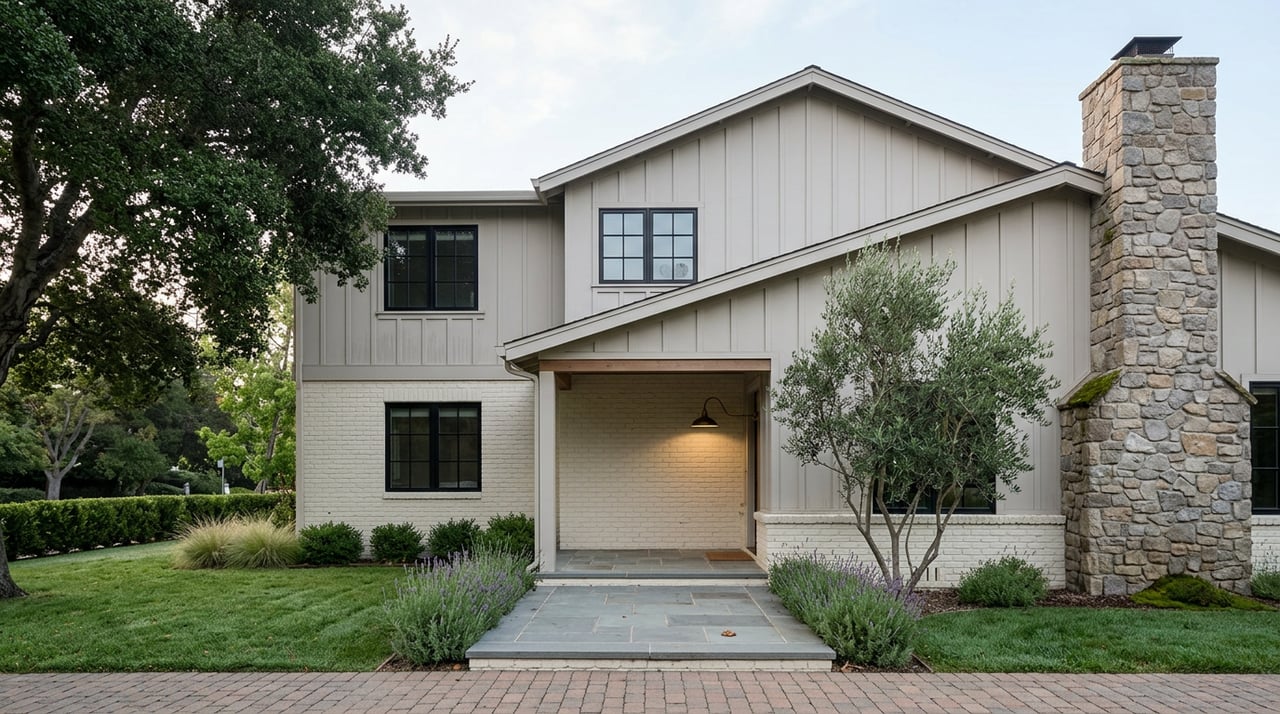
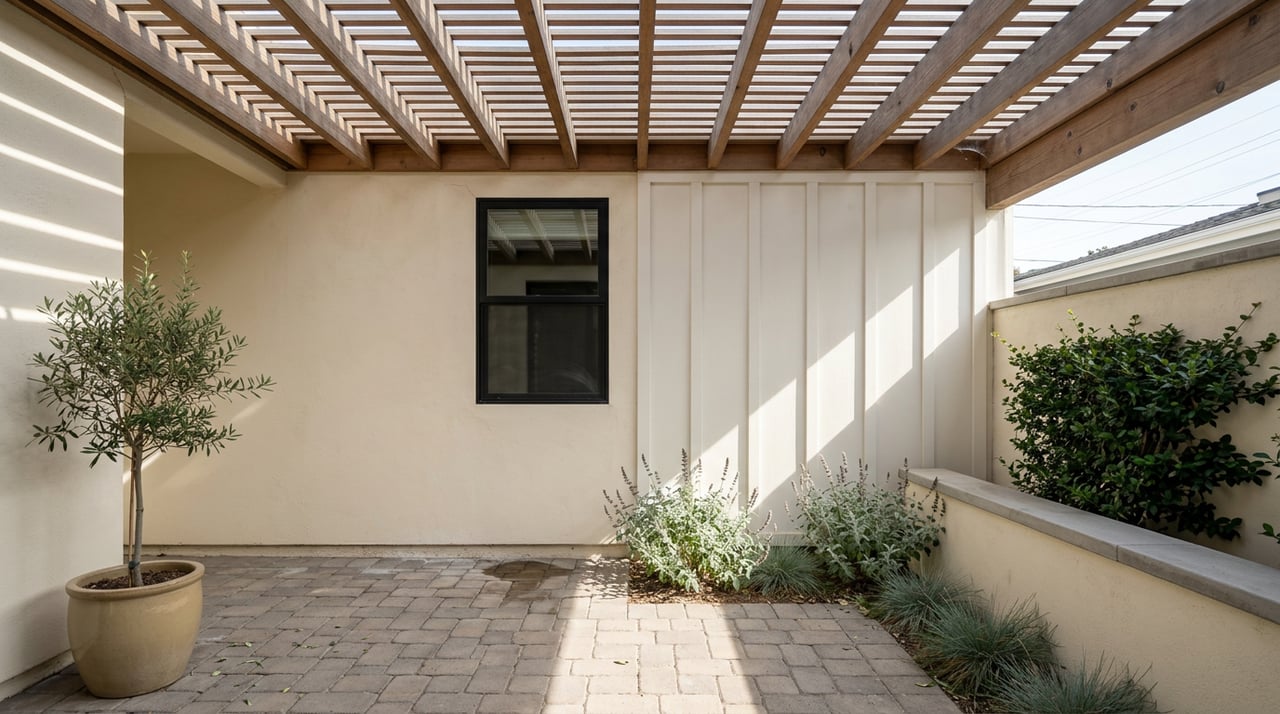
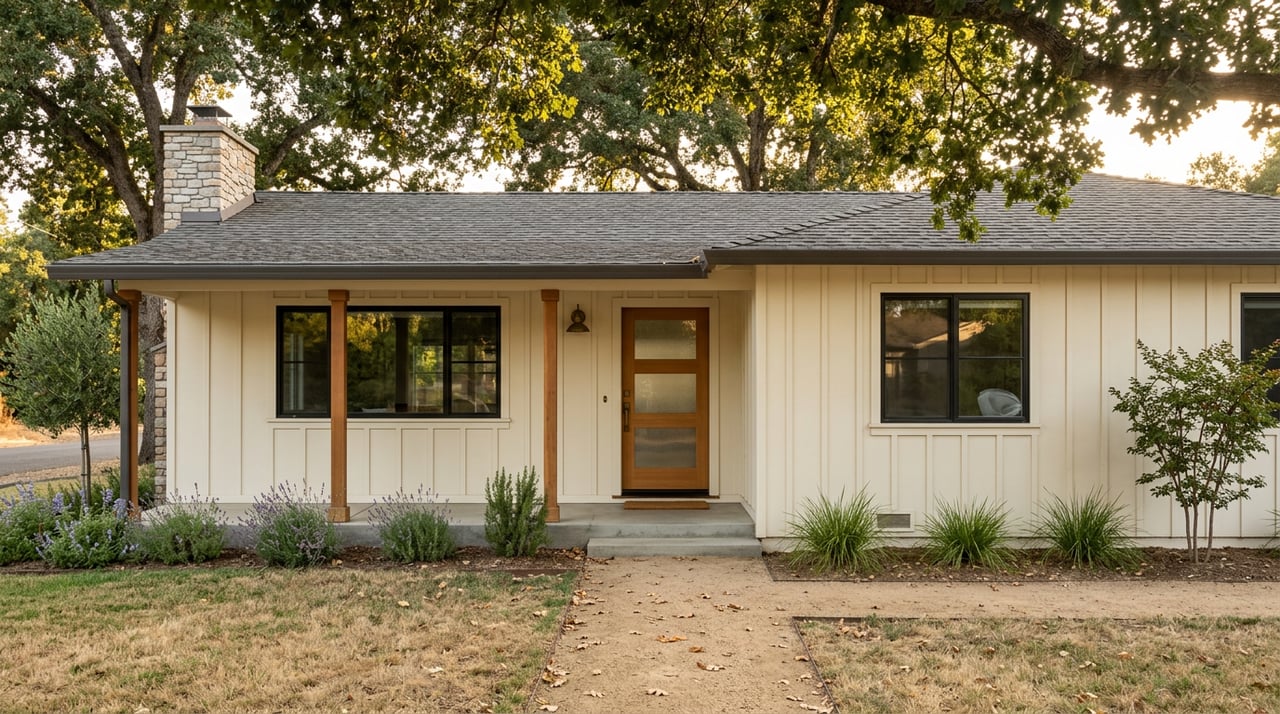
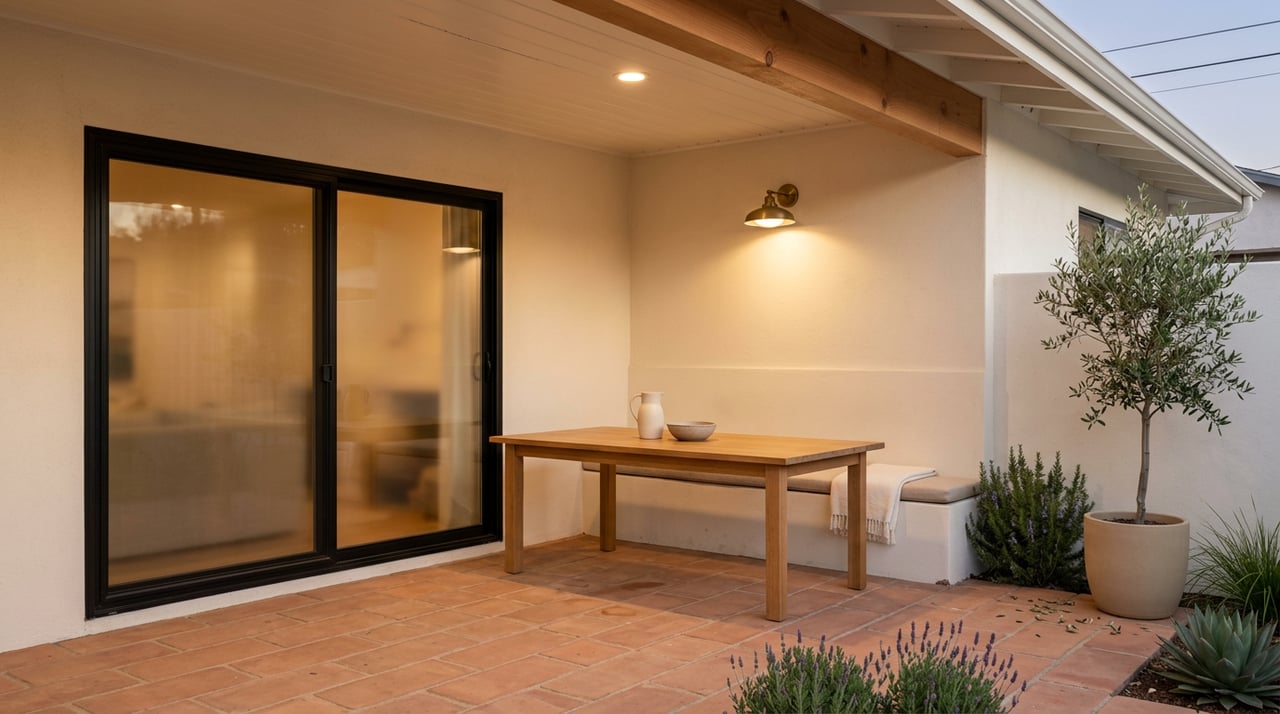
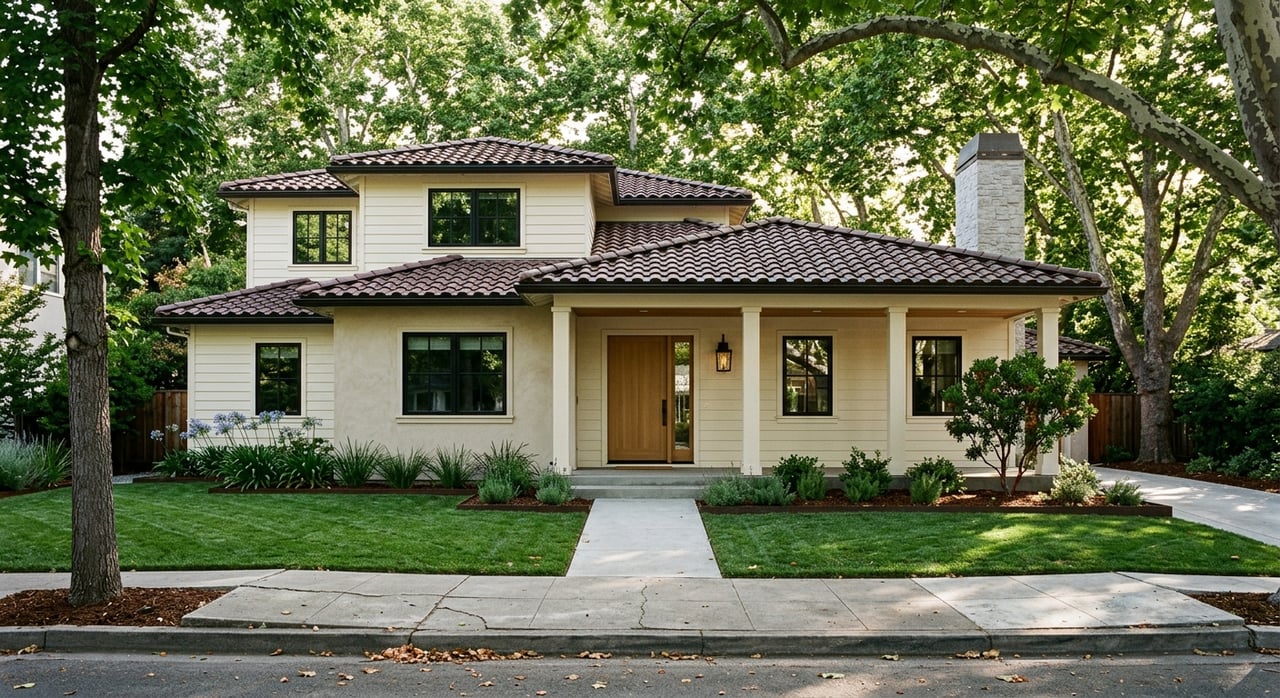
Most residential development in East Sacramento is made up of single-family homes in traditional neighborhoods. The area is also described by the city as almost fully built out, which helps explain why the housing stock feels mature and why large-scale new construction is limited.
If you are searching here, expect older, established homes to dominate the market. That does not mean every home feels dated, but it does mean the neighborhood’s identity is tied more to classic housing stock than to new suburban-style development.
When newer housing does appear, it is usually infill development. McKinley Village is the clearest example, described by the city as a 49-acre infill site with tree-lined streets, pedestrian- and bicycle-friendly design, varied architecture, parks, and walkable connections.
For you as a buyer, that creates a simple tradeoff. East Sacramento offers strong neighborhood character and a central location, but fewer blank-slate new-build options than you might find farther out in the suburbs.
Parks and Outdoor Space
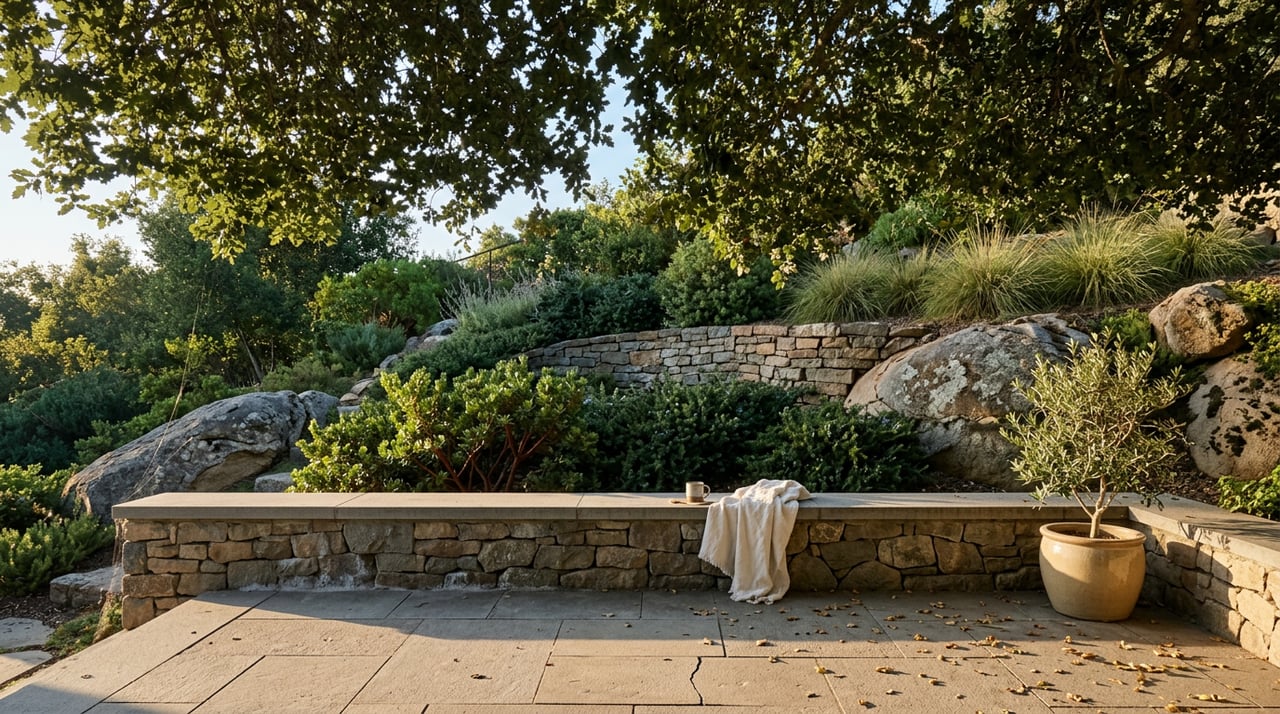
Outdoor access is a major part of living in East Sacramento. McKinley Park is the neighborhood anchor, and it is one of the area’s most recognizable gathering places.
The city lists McKinley Park at 31.88 acres, with a jogging trail, community center, garden and arts center, large picnic areas, playgrounds, a swimming and wading pool, tennis courts, and a rose garden. If you want a neighborhood where park time can be part of your regular routine, this is a strong point in East Sacramento’s favor.
Clunie Pool is also located in McKinley Park, adding to the area’s recreation mix. Nearby, the Shepard Garden and Arts Center hosts meetings, classes, workshops, and other community functions.
Beyond McKinley Park, you will find smaller and more specialized outdoor spaces across the area. East Portal Park includes bocce courts, a clubhouse, picnic areas, play areas, and a softball field.
Other local parks add variety depending on how you like to spend your time. Bertha Henschel Park includes basketball courts and a wading pool, Magoichi Oki Park features a renovated playground, shade trees, soccer fields, and a pool, Glenbrook Park includes dog parks and river access, and R Burnett Miller Park offers an adventure playground, pickleball courts, a tree bosque, and public art.
Shopping, Dining, and Everyday Convenience
East Sacramento supports a lifestyle where many daily stops can stay close to home. Visit Sacramento highlights nearby shopping at the Pavilions and Loehmann’s Plaza, which adds convenience for errands, casual browsing, and day-to-day needs.
The dining and coffee scene also contributes to the neighborhood’s appeal. Local highlights noted by Visit Sacramento include Canon, Allora, Kru, Selland’s Market Café, and OBO’ Italian Table & Bar, along with neighborhood coffee options.
You do not need a huge entertainment district for a neighborhood to feel lively. In East Sacramento, the mix of restaurants, cafés, and shopping centers creates a comfortable rhythm for everyday life.
The East Sac Chamber of Commerce also points to an active local business scene. Its recurring events include luncheons, mixers, ribbon cuttings, and neighborhood promotions, while Savor East Sac spotlights restaurants, coffee shops, bars, tap houses, and wine bars.
Community Events and Local Identity
East Sacramento has a strong local identity, and you can see that in both seasonal traditions and civic activity. One of the best-known examples is the Fab Forties holiday light displays, which draw visitors each winter and reinforce the neighborhood’s classic-home, classic-street image.
That kind of tradition often matters more than buyers expect. It gives a neighborhood a sense of continuity and helps people picture what life there feels like beyond the house itself.
Civic life is active here too. The East Sacramento Community Association meets on the first Monday of each month, and East Sacramento Preservation meets on the second Wednesday at 7 p.m.
For buyers who care about neighborhood involvement, that can be a meaningful part of the area’s appeal. It suggests a community where residents stay engaged with local issues and the neighborhood’s long-term character.
Getting Around East Sacramento
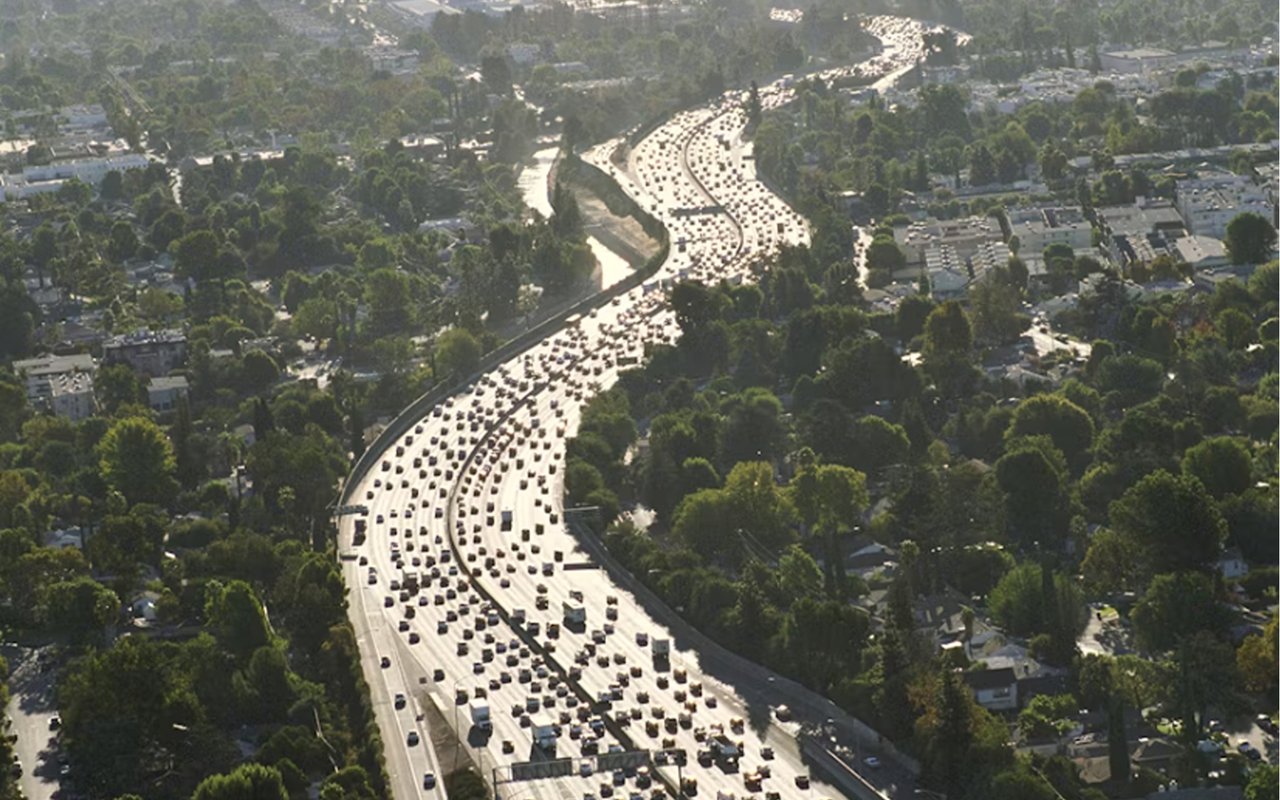
Location is another reason East Sacramento stays in demand. The area benefits from access to Highway 50, Business 80, Alhambra Boulevard, and the light rail corridor that runs parallel to Highway 50 and Folsom Boulevard.
That connectivity can make a real difference in your daily routine. Whether you are commuting, heading to Sacramento State, or moving between city neighborhoods, East Sacramento offers a well-connected position within the broader Sacramento area.
It is also close to major job centers, including Sacramento State and the hospital and medical-center cluster. For many relocators and local movers, that balance of neighborhood feel and practical access is a big part of the value.
Who East Sacramento Fits Best
East Sacramento tends to appeal to buyers and relocators who want an inner-city neighborhood with older character, park access, and local businesses. It can be especially appealing if you want a more established setting rather than a newer outer-suburb environment.
It may also be a good fit if neighborhood feel matters just as much to you as square footage or age of construction. East Sacramento offers a blend of history, convenience, and everyday livability that can be hard to replicate in newer communities.
At the same time, it helps to go in with the right expectations. Because the area is mostly built out, the market is mature, and newer inventory is more limited.
That does not make East Sacramento harder to love. It simply means your home search may be more about finding the right fit within an established neighborhood than waiting for large numbers of new listings or new-home communities.
What to Keep in Mind Before You Move
If you are considering East Sacramento, it helps to think beyond the listing photos. Pay attention to which part of the broader area a home is in, how close it is to parks or shopping, and whether you prefer older housing character or one of the newer infill options.
You will also want to think about lifestyle fit. Some buyers love being near McKinley Park and established streets, while others prioritize a specific commute pattern or want a newer layout where possible.
The right move usually comes down to matching your priorities with the part of East Sacramento that fits them best. That is especially true in a neighborhood where boundaries, housing types, and block-by-block feel can vary more than people expect.
If you are thinking about a move to East Sacramento or trying to compare it with other Sacramento-area neighborhoods, Allison R Billings can help you make sense of the options with clear guidance, local insight, and steady communication.
FAQs
What is East Sacramento known for?
- East Sacramento is known for tree-lined streets, classic homes, McKinley Park, local dining and shopping, and a well-established neighborhood feel close to Midtown.
What types of homes are common in East Sacramento?
- Most homes in East Sacramento are single-family homes in traditional neighborhoods, with older established housing stock making up most of the area.
Are there newer homes in East Sacramento?
- Yes, but they are more limited and usually come in infill developments, with McKinley Village being the clearest example mentioned in city planning materials.
What parks are in East Sacramento?
- East Sacramento includes McKinley Park, East Portal Park, Bertha Henschel Park, Magoichi Oki Park, Glenbrook Park, and R Burnett Miller Park, each offering different recreation features.
Is East Sacramento good for commuting?
- East Sacramento offers access to Highway 50, Business 80, Alhambra Boulevard, and a light rail corridor, which helps with travel around Sacramento.
Who tends to like living in East Sacramento?
- East Sacramento tends to appeal to buyers and relocators who want an inner-city neighborhood with older character, strong park access, local businesses, and convenient access to major Sacramento destinations.