Two buyers can tour homes in Folsom's Parkway on the same Saturday, fall for houses four streets apart, and end up with mortgage payments that diverge by hundreds of dollars a month, even after locking similar rates on similar loan amounts. The gap rarely shows up in the listing photos or the price per square foot. It shows up on the tax bill, months after closing, when a line item neither buyer budgeted for finally arrives.
That line item has a name most agents mention once and hope sticks: Mello-Roos. And in a neighborhood built the way The Parkway was, in overlapping waves across roughly a decade, whether your specific home carries one is not something the neighborhood's reputation, its median price, or its HOA can answer for you.
One Neighborhood, Built in Waves
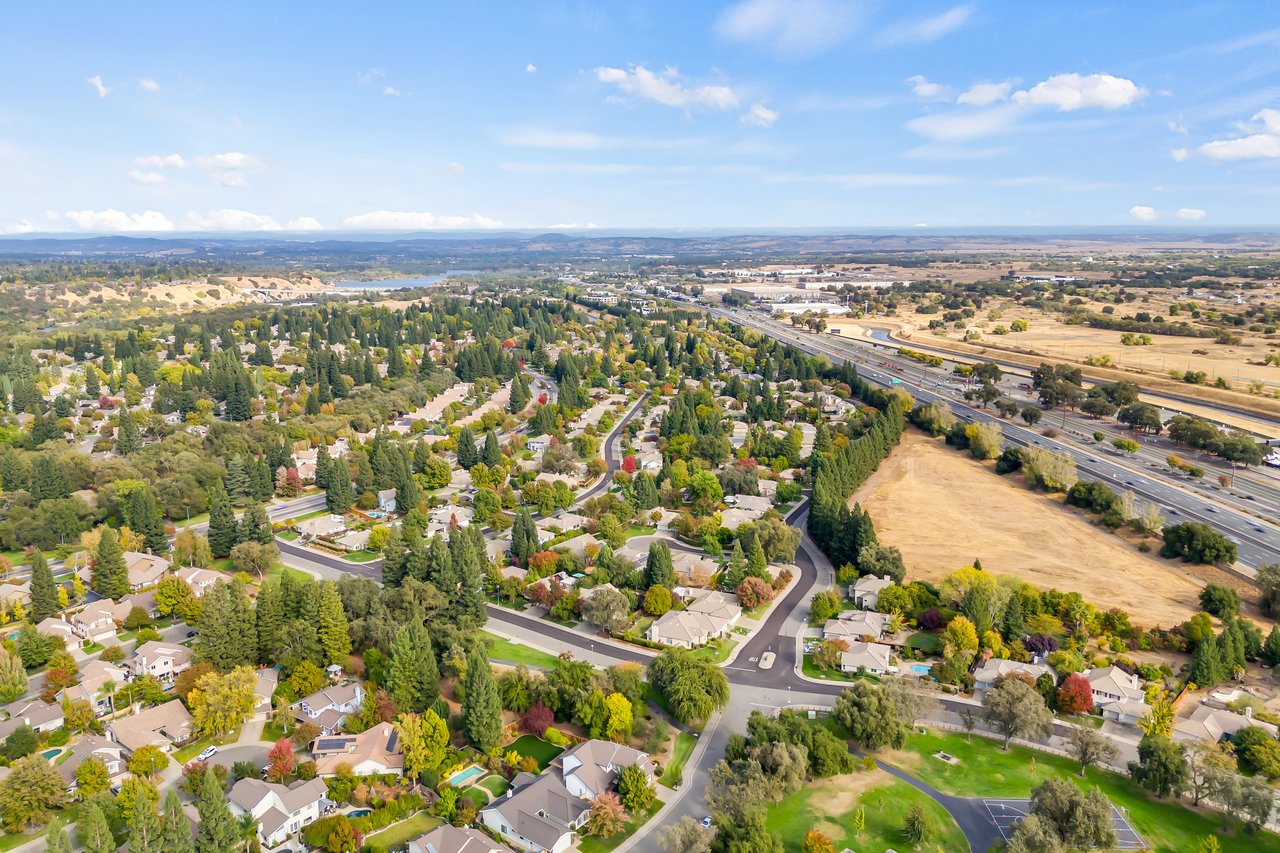
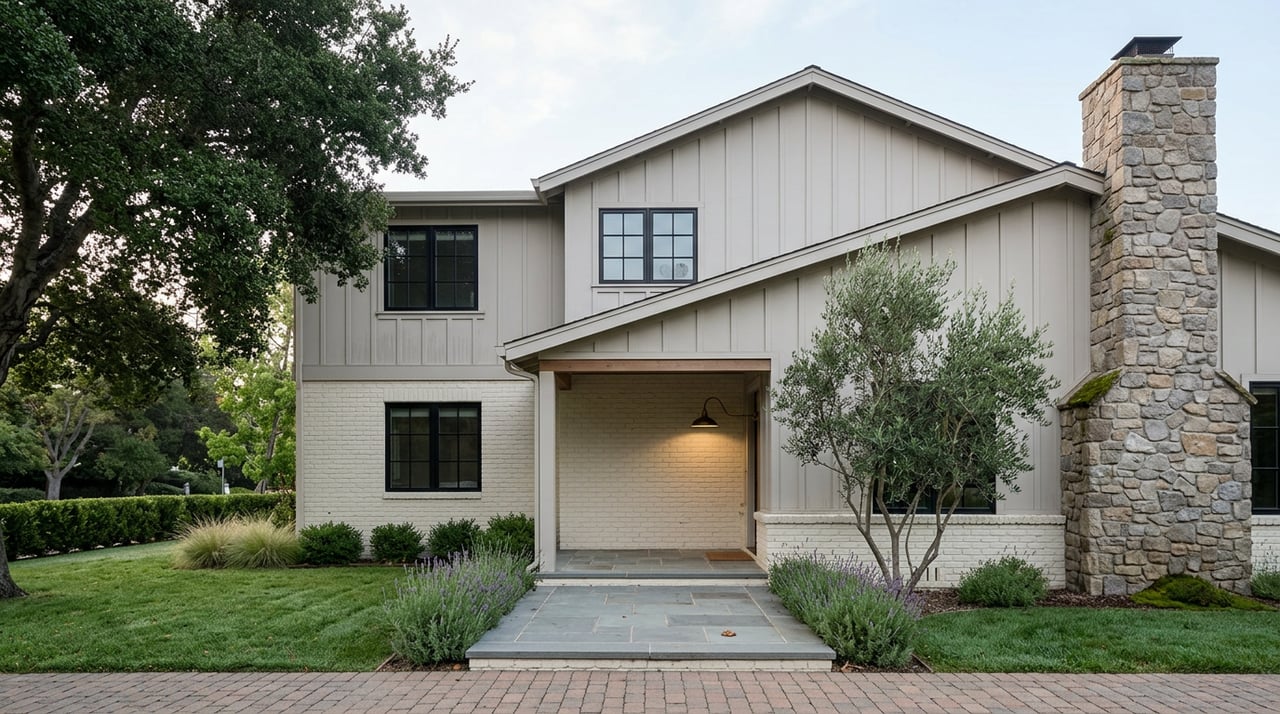
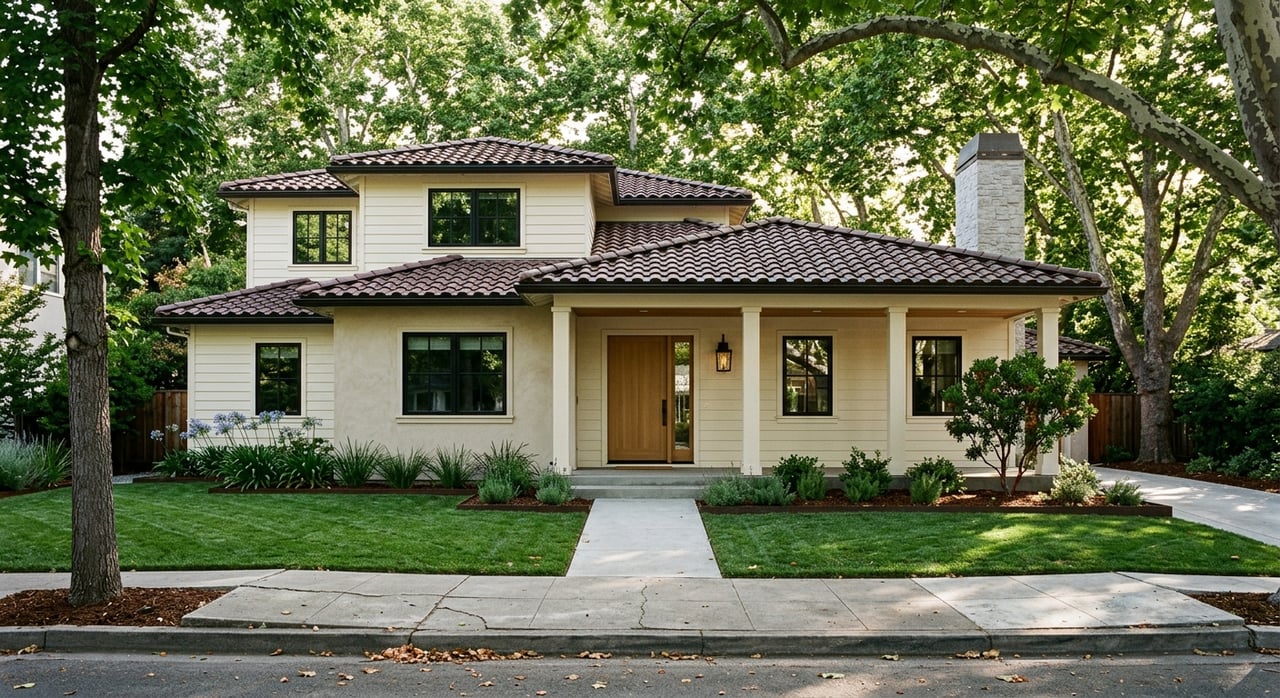
The Parkway wasn't delivered in a single phase with one builder and one financing plan. Its earliest homes date to 1996, and construction continued into the early 2000s, which is part of why home sizes inside the same subdivision range from roughly 1,500 square feet up to nearly 4,000. A buyer walking a starter plan on one street and an executive plan two blocks over isn't comparing variations on a theme. They're comparing two different products that happen to share a name, a mailing address, and a homeowners association.
That matters because California's Mello-Roos financing tool, formally the Community Facilities Act of 1982, gets applied district by district and often phase by phase within the same master-planned community. When a builder needed a Community Facilities District to fund roads, sewers, or parks for one section of a development, that CFD's special tax stayed attached to the parcels inside its boundary, not to the neighborhood's name as a whole. Sections built later, financed differently, or annexed under separate agreements can carry entirely different obligations.
The Same Neighborhood, Two Different Tax Bills
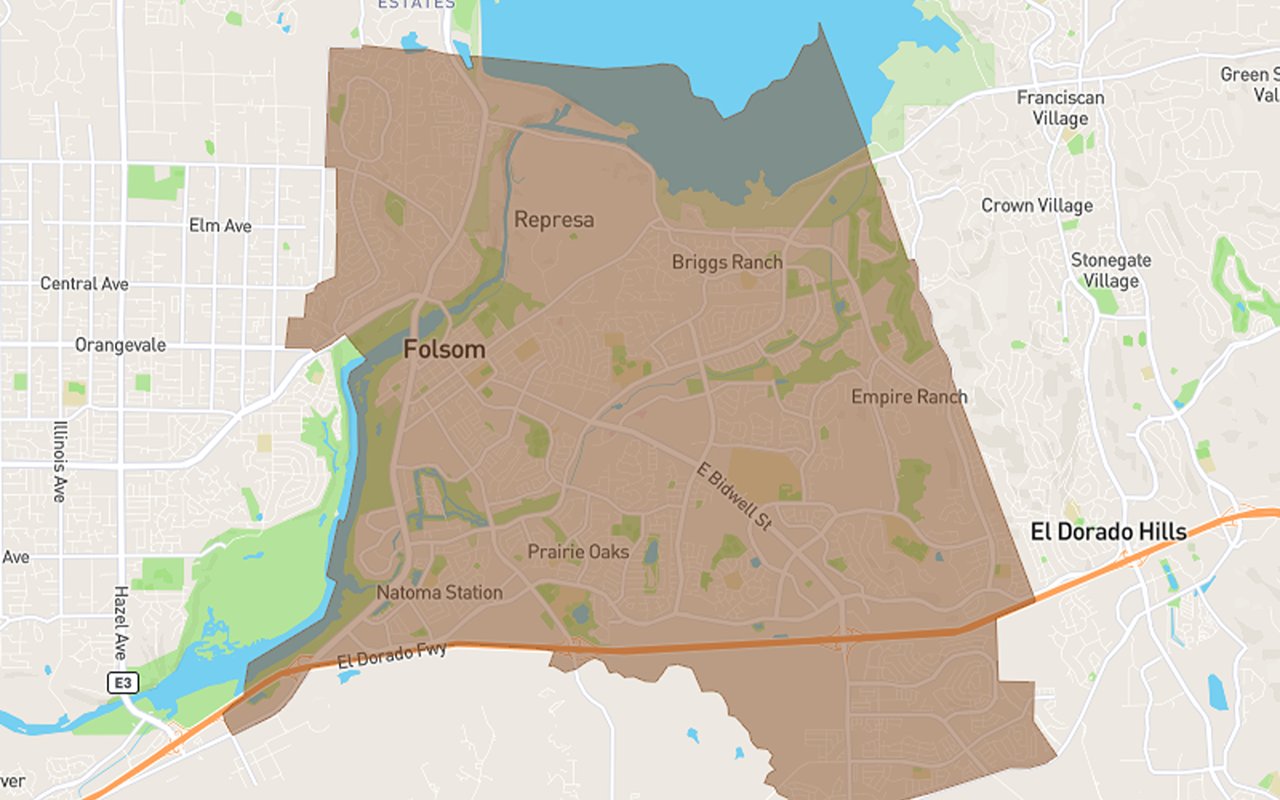
Folsom's newer growth areas make this easy to see because the pattern is more uniform there. Large new communities like Folsom Ranch and parts of Empire Ranch were built specifically with CFD financing baked in, and industry estimates for those areas run in the range of $5,000 to $10,000 a year in special tax on top of the standard 1 percent property tax. Older, already-established pockets of Folsom are less likely to carry any Mello-Roos at all, since their infrastructure was already in place before CFDs became the standard funding mechanism.
The Parkway sits in the gap between those two categories, and that's exactly the problem. It's old enough to have some sections that predate widespread CFD use, but it was also built as a series of financed subdivisions over multiple years, which means some parcels can carry a special tax while others nearby do not. You cannot infer a home's status from the fact that it's in The Parkway. You can only find it on that specific parcel's paperwork.
A $700,000 listing with no special tax and a $700,000 listing carrying a $4,000 annual CFD charge are not the same monthly payment. They just share a sign in the yard.
The scale of that gap is not trivial. Mortgage industry data shows effective property tax rates in CFD-heavy zip codes running 1.5 to 1.7 percent of the purchase price, compared with 1.1 to 1.3 percent in areas without special districts. On a $780,000 home, that difference alone can mean $3,000 to $4,500 a year, money that never shows up in the list price comparison two buyers make when they're deciding between similar-looking houses.
What Actually Separates Two Parkway Listings
Before you let a listing's price per square foot do the talking, know what else can be different behind two doors on the same cul-de-sac:
- Build phase. Homes finished in the late 1990s sit under different financing history than homes completed in the early 2000s, even within the same subdivision name.
- Bond status. A CFD's special tax runs until its bonds are repaid, typically 20 to 40 years from formation. A phase financed early in The Parkway's build-out may be closer to retiring that charge than a phase financed later.
- Lot and floor plan. Special tax formulas are usually tied to square footage or lot size rather than assessed value, so a larger home in the same CFD can owe more than a smaller one next door, not less.
- HOA scope versus CFD scope. The Parkway's homeowners association is separate from any Mello-Roos charge. HOA dues fund landscaping consistency, architectural review, and the community's shared appearance. A CFD special tax, when one exists, funds infrastructure like roads and parks that were built to support the development. Paying one does not tell you anything about whether you're also paying the other.
How to Find Your Actual Number Before You Write an Offer
None of this requires guesswork once you know where to look. Before you get attached to a specific address in The Parkway:
- Pull the home's Assessor's Parcel Number from the listing or ask your agent for it.
- Request the seller's most recent secured property tax bill. A CFD special tax appears as its own separate line, not folded into the base rate.
- Check MLS agent remarks for the words "Mello-Roos" or "CFD," which listing agents are required to flag when known.
- Review the preliminary title report during escrow. Recorded CFD liens show up there even when they're easy to miss elsewhere.
- Confirm anything unclear with Sacramento County's tax collector or the City of Folsom's finance department, since amounts and terms vary by district and by phase.
This is the kind of homework that turns a comparison shopper into a confident buyer. It also explains why two homes at the same list price in the same neighborhood can qualify a household for very different loan amounts once a lender runs the debt-to-income math with a special tax included.
The Trade You're Actually Making
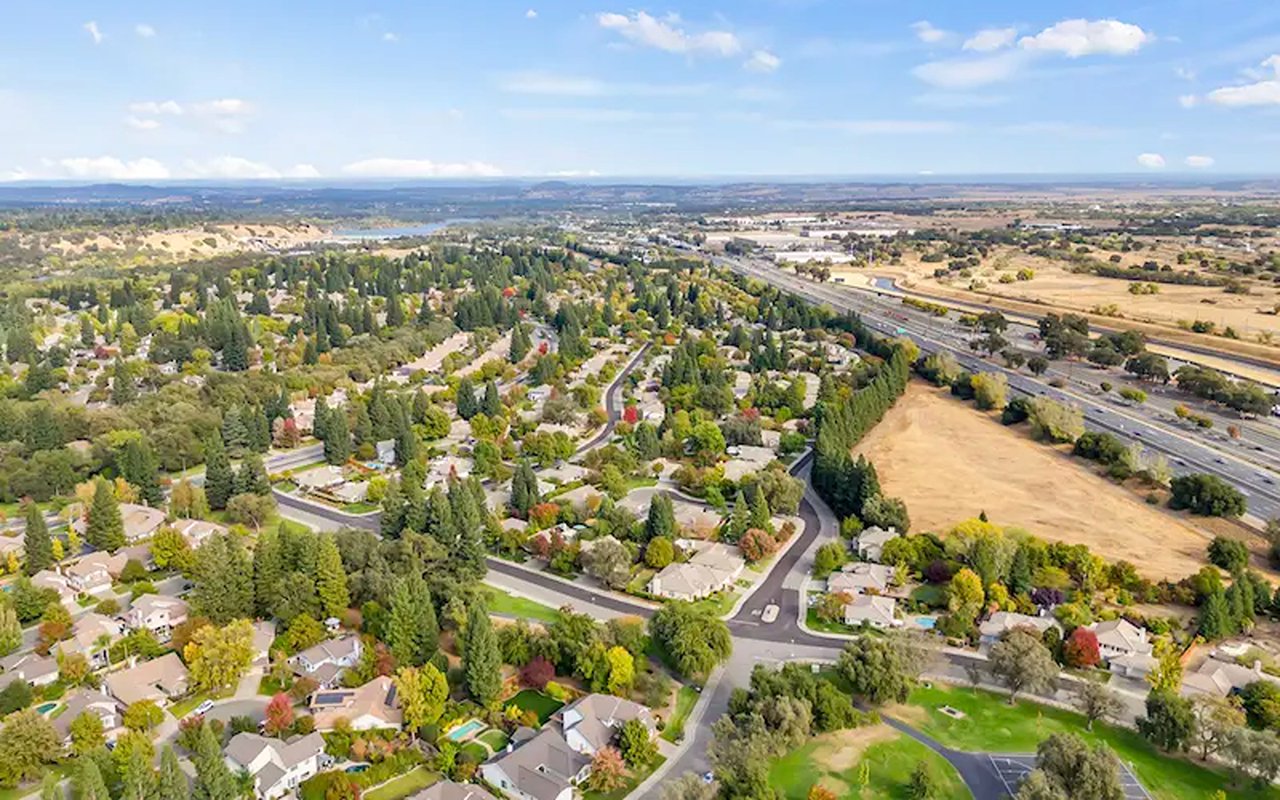
None of this is an argument against The Parkway. It's one of Folsom's more established master-planned communities, and its appeal is real. The development covers 612 acres in total, and about 242 acres of that were set aside as parks and open space, including roughly 208 acres preserved as natural habitat along the Humbug-Willow Creek corridor. Five miles of paved and decomposed granite trail run the length of that corridor inside the neighborhood, tying residents to Econome Family Park and Castle Park without needing to cross a major street, and connecting into the city's larger trail network beyond it.
Retail is close by without being on top of the neighborhood. Folsom Square, anchored by a Trader Joe's and a Target, sits about two miles out, and a Raley's is within a mile of some sections. Kids in the neighborhood typically attend Oak Chan Elementary and Folsom Middle School before moving on to Vista del Lago High School, all part of Folsom-Cordova Unified.
The HOA that governs all of this is genuinely active. It covers front yard landscaping and sets requirements on exterior paint colors and parking, which is part of why the neighborhood consistently presents well from the street. That consistency is a feature for buyers who want predictability from their neighbors. It's worth knowing going in for buyers who'd rather have more control over their own front yard.
What the Price Data Actually Shows
Even the neighborhood's own price trend tells the same story. Over the three months ending in May 2026, Redfin's data for The Parkway showed a median sale price of $805,000, down 12.3 percent from the same period a year earlier. The average price that same month came in at $918,000, up 13.6 percent year over year. Only 14 homes sold in The Parkway that May, down from 16 the year before, and with a sample that small, it doesn't take many larger executive-plan homes closing to pull the average up while the more typical sale price cools. That's the parcel-level story showing up in the aggregate numbers: different products, different financing histories, and different buyers, all reported under one neighborhood name.
A Few Quick Questions
Does every home in The Parkway have Mello-Roos? No. Some sections do and some don't, depending on how that phase of the development was financed when it was built. There's no neighborhood-wide answer, only a parcel-specific one.
Is the HOA the same thing as Mello-Roos? No. The HOA covers landscaping standards, paint requirements, and shared community appearance. A CFD special tax, when one applies, funds infrastructure like roads and parks and shows up as its own line on the county tax bill.
When should I check for a special tax? Before you write an offer, not after you're in escrow. Ask for the seller's current tax bill and have your agent flag any MLS notes mentioning Mello-Roos or CFD so it's part of your decision, not a surprise on your first bill.
If you're comparing homes in The Parkway or weighing it against newer construction elsewhere in Folsom, the sticker price is only the start of the conversation. Allison R Billings can pull the actual parcel history, tax bill, and HOA documents for any specific address you're considering, so you know your real monthly number before you write an offer, not after. Browse current listings and neighborhood details on the Parkway neighborhood page, or visit the buyers page to start the conversation. Let's Talk Your Goals.